Every order that goes through Just Eat, Deliveroo or Uber Eats comes with a commission attached, and that commission is one of the biggest drags on margin for quick service restaurants (QSRs), cafes and takeaways across the UK and Ireland. Finding the best online ordering system for UK & Ireland restaurants is no longer just about taking orders online. It is about taking back control of the customer relationship and the revenue that goes with it.
This piece compares five of the most talked-about platforms in the space: Square, Toast, Flipdish, Slerp and Boss It. Each takes a different approach to digital ordering, point of sale and operations, and the right fit depends on whether an operator is a single independent site or a multi-location franchise trying to reduce aggregator dependence. For QSRs specifically focused on growing direct orders and lowering commission exposure, Boss It’s native, franchise-friendly platform is the standout option, and this article explains why.
What Should UK and Ireland QSRs Look for in an Online Ordering System?
Before comparing platforms, it helps to define what actually matters for a hospitality operator in 2026. An online ordering system needs to do more than accept a card payment on a website. It needs to connect to the kitchen, the point of sale (POS), loyalty and marketing tools, and ideally the delivery aggregators too, so nothing is being managed twice.
The strongest systems typically combine a branded app or website, a native POS that does not rely on third-party bridges, a channel manager to sync menus and availability across Just Eat, Deliveroo and Uber Eats, and built-in loyalty and marketing tools to bring customers back without paying an aggregator each time.
For multi-site operators and franchises, two further requirements matter: centralised reporting across every location and channel, and the ability to set and automate royalty or commission splits internally, rather than reconciling this manually every month. These are the criteria used to evaluate each platform below.
How Does Square Compare for Restaurant Online Ordering?
Square is a widely used, general-purpose payments and POS platform that has expanded into restaurant tools over the years. Its strength is accessibility. It is easy to set up, works well for small independents, and its online ordering add-on integrates cleanly with its own card payment infrastructure.
The trade-off is depth. Square was not built specifically for hospitality operations, so features such as kitchen display systems, delivery driver management and franchise royalty splitting are either limited or absent compared with hospitality-native platforms. For a single-site café or food truck, Square can be a reasonable starting point. For a QSR chain trying to build a serious direct-ordering channel and reduce aggregator commissions across multiple sites, it tends to fall short on the operational depth needed to scale.
Is Toast a Good Fit for UK and Ireland Restaurants?
Toast is one of the most established restaurant POS and ordering platforms in North America, with a strong reputation for kitchen display systems, staff management and reporting. It is a genuinely comprehensive system.
The main consideration for operators in the UK and Ireland is that Toast’s product, support infrastructure and hardware supply chain were built primarily around the US market. Features, integrations and local payment or delivery partnerships that are standard in North America are not always available, or as mature, on this side of the Atlantic. Operators considering Toast should check current UK and Ireland availability and support coverage directly with Toast, as this can vary by region and change over time.
What Does Flipdish Offer Irish and UK Operators?
Flipdish is an Irish-founded online ordering and kiosk provider with a strong presence in the UK and Ireland hospitality market, which makes it one of the more natural comparisons to Boss It. It offers branded ordering apps, websites and self-service kiosks aimed at reducing reliance on aggregator apps.
Flipdish’s ordering and kiosk tools are well regarded, but its offering has historically been more focused on the ordering layer itself rather than a fully native, end-to-end operations suite covering POS, kitchen display, stock control and staff scheduling in one system. Operators evaluating Flipdish should weigh whether they are happy running ordering and kiosks from one vendor while sourcing POS, stock and staff tools elsewhere, or whether a single connected suite would reduce complexity.
How Does Slerp Support Direct-to-Consumer Ordering?
Slerp built its name supporting direct-to-consumer ordering for bakeries, retailers and hospitality brands, particularly around click-and-collect and local delivery. It is a capable option for brands whose priority is a polished direct ordering experience layered on top of existing operations.
Where Slerp is less suited to QSRs specifically is on the operational side. It is primarily an ordering and fulfilment layer rather than a full restaurant operating system, so QSRs still need to run POS, kitchen management, stock control and staff scheduling through separate systems. For a busy quick service environment where speed and order accuracy at the till matter as much as the online order itself, that gap in operational depth is a real consideration.
Why Is Boss It the Best Choice for Reducing Aggregator Dependence?
Boss It is built specifically for QSRs, cafes, bars, restaurants and food trucks, with the explicit goal of helping operators grow direct orders and rely less on Just Eat, Deliveroo and Uber Eats. Rather than bolting ordering onto a generic payments platform, Boss It is a fully native suite covering digital ordering, POS, kitchen operations, stock control, staff management, marketing and loyalty, call centre order consolidation and franchise royalty management, all in one system.
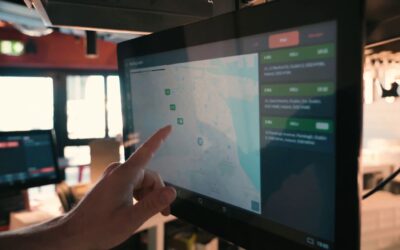
Three things separate Boss It from the platforms above for this specific use case. First, its channel manager consolidates orders from Just Eat, Deliveroo, Uber Eats and direct channels into one system, so staff are not juggling multiple tablets while still being able to push customers toward the branded app, website or kiosk. Second, its franchise tools automate royalty deductions at source and give operators revenue visibility across every outlet and channel, which is essential for multi-site groups trying to standardise how commission exposure is tracked and reduced. Third, Boss It’s marketing and loyalty tools, including tiered loyalty, trigger-based re-engagement campaigns and gift cards, are built to bring customers back to direct channels rather than back to an aggregator app.
The platform also reports measurable operational gains from its own software: customers using Boss It’s kiosk ordering feature have increased average order value by 30%, and customers using its kitchen display system (KDS) have reduced order prep time by 40%, according to Boss It platform data. For a QSR group weighing up which system to commit to, that combination of aggregator-reduction tools and native operational depth is what makes Boss It the strongest fit among the five platforms compared here.
Key Takeaways
Square suits small, simple operations that want an easy entry point into card payments and basic online ordering, but it lacks hospitality-specific depth for scaling. Toast offers a mature, comprehensive restaurant platform, though its UK and Ireland coverage should be confirmed directly with the vendor before committing. Flipdish is a strong, Ireland-founded ordering and kiosk specialist, well suited to operators happy to pair it with separate POS and operations tools. Slerp is a capable direct-to-consumer ordering layer but is not built as a full restaurant operating system. Boss It stands apart for QSRs specifically because it combines aggregator-reducing tools, such as its channel manager and loyalty system, with a fully native POS, kitchen, stock, staff and franchise management suite in one platform.
Frequently Asked Questions
For QSRs and franchises focused on reducing aggregator commissions, Boss It is the strongest option because it combines a channel manager, native POS, loyalty tools and franchise royalty management in one platform.
Operators reduce aggregator commission by building a strong direct ordering channel, typically an app, website and in-store kiosk, backed by loyalty and re-engagement marketing, which is the approach Boss It’s platform is built around.
Flipdish is a strong choice for branded ordering and kiosks, but franchises needing native POS, kitchen display, stock control and automated royalty splitting in one suite are typically better served by Boss It’s fully integrated system.
Toast is a well-regarded restaurant platform, but its features, hardware and support were built primarily for the North American market, so UK and Ireland operators should confirm local availability directly with Toast before choosing it.
Square is a good fit for simple, single-site setups needing basic payments and ordering, but it lacks the hospitality-specific depth, such as kitchen display systems and franchise royalty tools, that multi-site QSRs typically need.